
Why your heat pump runs nonstop in a Mississippi winter
Why does my heat pump run nonstop in winter?
It feels like your system never shuts off once it gets cold, running morning to night without the house ever quite catching up. You start to wonder if it is broken, if it is losing the fight against the cold, or if this is just what a heat pump does in a Mississippi winter. Before you call anyone, you want to know whether this is normal or a sign something needs attention.
It's likely running long because it's a heat pump, not because it's failing
A heat pump moves heat from the outside air into your house instead of burning fuel to make heat. On a cold morning, the outside air holds less heat to pull from, so the system has to run longer to move the same amount into your home. That's normal operation, not a struggling unit. Where temperatures drop into the 30s and 40s overnight, which happens through a Mississippi winter, longer run times are expected and the system may run for long stretches without shutting off. What's not normal is the house never warming up, ice building heavily on the outdoor unit, or the air coming out feeling cool instead of warm. Those point to a problem worth having looked at, rather than the cold doing what cold does to a heat pump.
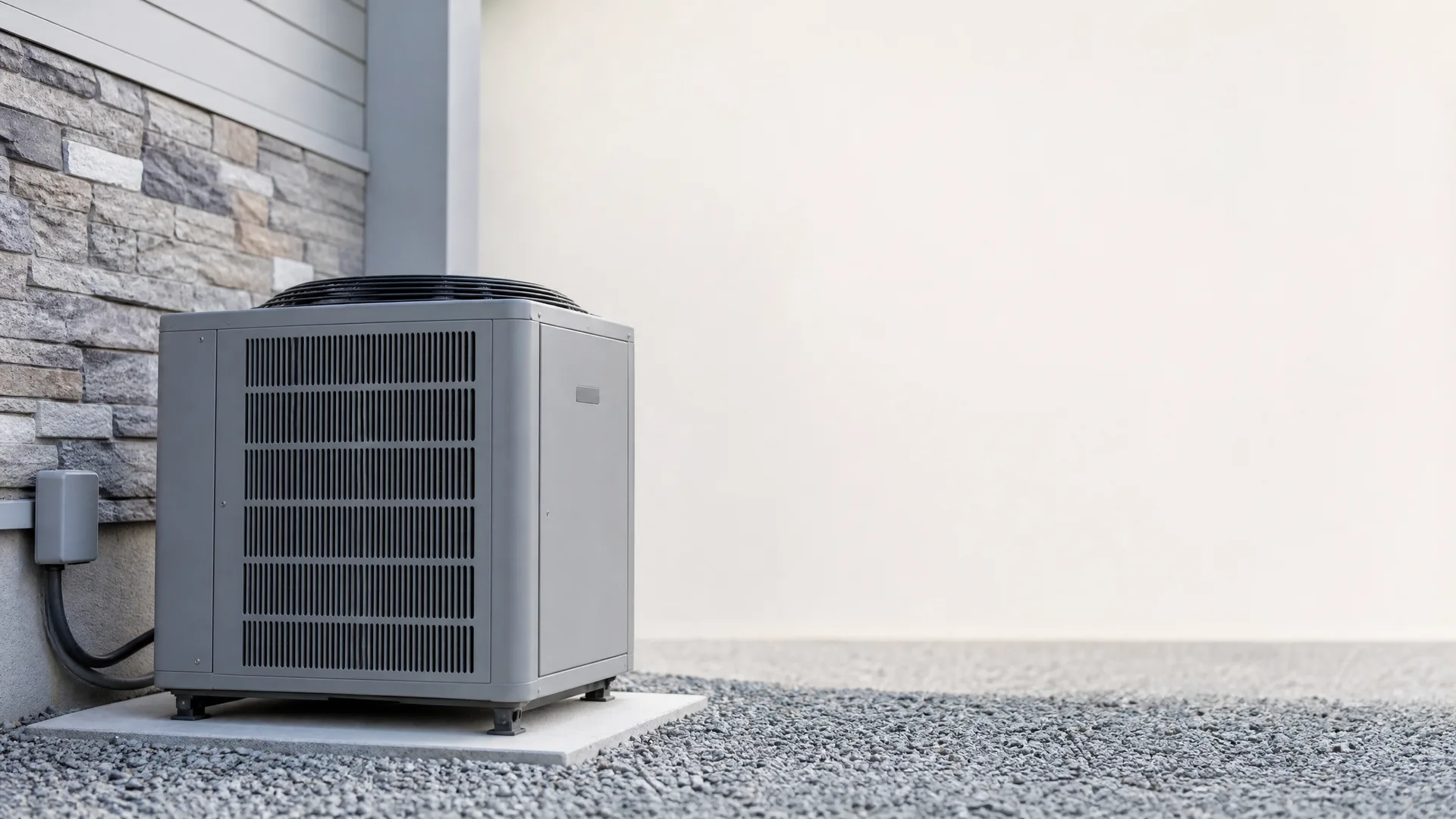
Why it struggles below freezing
A heat pump pulls heat out of outside air, and that gets harder as the temperature drops. In the 30s it still has plenty of heat to move. Once nights get into the 20s, the unit has to run longer to pull the same warmth out of thinner air. Below that, Mississippi winters do not sit there for long, but when they do, long run times are the system doing its job, not failing at it.
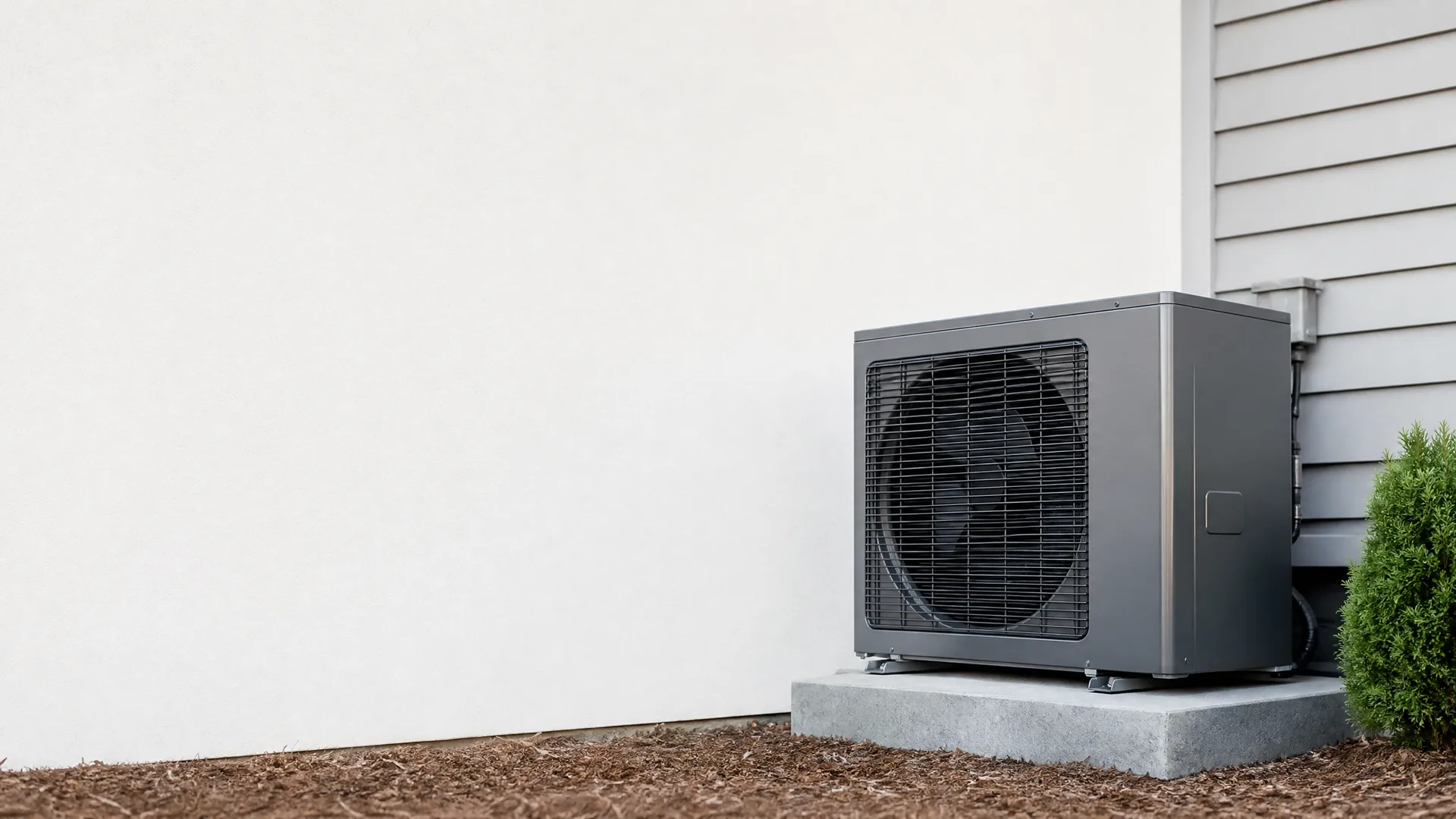
The backup heat kicking in
Most heat pumps here have electric resistance backup built in for the coldest mornings. It switches on when the outdoor coil cannot keep up, and it uses more electricity than the heat pump alone. If you notice the air coming from the vents feels hotter than usual, or the bill jumps after a cold snap, that backup heat is likely why. It is a normal part of the system, not a sign something is wrong.
Working Hard or Breaking Down
Normal for the cold
- Below freezing, a heat pump runs for long stretches just to hold the thermostat setting, and that alone does not mean it is failing.
- The outdoor unit may show frost on the coil during a cold snap and clear it off on its own through a defrost cycle.
- Supply air from the vents can feel cool to the hand even while the system is heating the house correctly.
- A slightly higher power bill in January is expected, since the unit works harder as the outside air gets colder.
- If the house still reaches and holds the temperature you set, the long run times are the system doing its job, not struggling.
Signs something is wrong
- The house never reaches the temperature you set, or it drifts down again a few degrees after it gets there.
- The outdoor unit is caked in ice rather than a light frost, or the ice is not gone an hour or two later.
- Air from the vents stays cold to the touch for long periods instead of warming once the system has run a while.
- You hear the outdoor unit short cycling, shutting off and restarting every few minutes instead of running in long stretches.
- The power bill has jumped well beyond what past cold snaps cost you to run the same system.
- A backup heat light or fault light on the thermostat stays on instead of coming on briefly and clearing.

You're awake at eleven, still in your coat, standing by the thermostat in the hall. It says 68 but the air coming out of the vent in the bedroom feels barely warm. Through the window the sky is clear and the kind of cold that settles in overnight, the outdoor unit running steady in the side yard, a thin line of frost along its coil. Your spouse has pulled another blanket over the bed. You've already checked the filter once this week and it was clean. You stand there another minute listening to it run, trying to decide if this is just how it is tonight or if it's worth having someone look at it before the next cold snap.
Get the right pro for your heat pump
A heat pump that never stops on a cold Mississippi night might be doing its job or might be losing to a bad defrost board, a low charge, or a reversing valve stuck where it shouldn't be. From the thermostat, those look the same. You feel the house not warming up and you don't know if that's just how the system handles 25 degrees or a sign something inside it is wearing out. Since most homes here run on electricity for heat, a unit that's struggling pulls more power the whole time it's running, and you're paying for that either way. Figuring out which one you've got means someone actually looking at the outdoor unit, the coil, the board. Instead of searching around for who does that, calling a few places, explaining the same thing on the phone three or four times, and trying to judge quotes against each other with no way to know who's right, you can hand this one off. Someone who works on these year-round can tell you, this week, whether your system is holding its own in the cold or working against something broken inside it.
What defrost is actually doing
- Defrost mode runs a timer or a sensor check every 30 to 90 minutes when the coil gets cold enough to frost.
- Once defrost kicks in, the reversing valve switches the system into cooling mode for a few minutes to heat the outdoor coil.
- A fan behind the indoor coil often slows or shuts off during defrost so cold air doesn't blow through the house.
- Auxiliary heat strips in the air handler pick up the slack while the unit is in defrost or when outdoor air alone can't keep up.
- The unit switches back to heating once a sensor reads the coil has cleared or the timer runs out, whichever comes first.
- A heat pump stuck checking for frost too often, or a reversing valve that won't switch back, can make the system run far longer than the weather alone would explain.
The outdoor unit is not just fighting the cold, it is running a whole separate cycle you never see from the thermostat. When frost builds on the outdoor coil, the system has to stop and melt it off or the coil stops absorbing heat at all. That means flipping the reversing valve so the system briefly runs like an air conditioner, pulling heat from inside the house and dumping it outside to warm the coil and clear the frost. That is why you can feel a short burst of cool air from the vents on a cold night. It is not malfunctioning, it is clearing ice. The indoor fan usually slows down or cuts off during this so that cool air does not flood the house, and the heat strips in the air handler often kick in to cover the gap so the house does not feel the dip. Once a sensor confirms the coil is clear, or the timer simply runs out, the valve switches back and the system goes back to pulling heat from outside air. All of this happens every half hour to hour and a half in cold, humid weather, and each cycle takes a few minutes. The trouble starts when a sensor misreads the coil, or the valve hesitates switching back, or defrost trips far more often than the frost on the coil justifies. Then the system is spending real time heating itself instead of your house, and the extra runtime you're seeing has little to do with how cold it actually is outside.





Outdoor temperature drops and the coil starts pulling less heat from the air.
The compressor runs longer to move the same amount of heat indoors.
Frost builds on the outdoor coil and blocks airflow across it.
A sensor or timer tells the system to start a defrost cycle.
Power costs 14.03 cents per kilowatt-hour statewide
At that rate, a heat pump running long hours on a cold night adds up fast on your bill, since electric heat is what most homes here depend on. A unit that's running nonstop and struggling, not just working hard, costs you more for less warmth.
EIA-861 2025 statewide residential average
A heat pump running long and hard on a cold Mississippi night is not always a sign of trouble. Sometimes it is just doing what the cold is asking of it. But a unit that runs nonstop and still leaves the house cool, or one that frosts over and never clears, or short cycles instead of settling into a long steady run, is telling you something is wrong underneath. You don't have to figure out which it is by yourself, and you don't have to spend an evening searching for a contractor, calling a few numbers, explaining the same problem three times, then sitting with quotes trying to compare one against another. You can hand off the sorting and the asking around and let a contractor who knows these systems take a look, tell you plainly whether this is normal for the weather or a sign the unit needs work, and go from there.
A pro who works on heat pumps
Fill out one short form instead of calling around.
No fee to send it, and nothing to sign.