













A gray outdoor heat pump unit on a concrete pad beside a dark horizontal-siding wall, with a small electrical box on the wall, shrubs and a concrete walkway to the right at dusk.

Matched to your heat pump job

Why your heat pump keeps short cycling in Mississippi

A heat pump that turns on and off every few minutes isn't resting, it's struggling. In Mississippi's heat and humidity, that short cycling points to something specific, and it won't fix itself. This page gets into what causes it and what to check. Send in your details and a contractor who handles this will reach out to you.

Find my pro

A heat pump that short cycles is usually fighting one of a few problems: a dirty or iced outdoor coil, a low refrigerant charge, a thermostat sensing the wrong temperature, or an oversized unit that cools the air fast and shuts off before it pulls the humidity out. In Mississippi, that last one shows up a lot. A system sized too big for the house satisfies the thermostat in a few minutes, but the air stays damp, so it kicks back on again soon after. Each start draws a surge of power and puts wear on the compressor, and a compressor that stops and starts all day fails sooner than one that runs in steady cycles. If your heat pump has been doing this for more than a day or two, it's not going to sort itself out, and running it that way raises both your power bill and the odds of a bigger repair.

  1. The thermostat calls for heat or cooling and the compressor starts.

  2. Airflow or refrigerant pressure moves outside the normal range.

  3. A safety switch trips to protect the compressor from damage.

  4. The unit shuts off seconds to minutes after it started.

A smiling bearded man in a dark green hooded jacket and blue t-shirt sits on a couch in a living room with shelves, a potted plant, and a bowl of popcorn on a wooden table.
A smiling man in a green long-sleeved shirt sits on a beige sofa in a living room, with a bowl of popcorn in the foreground, a large potted plant and shelving behind him.
A smiling man in a dark blue T-shirt sits on a couch in a dimly lit living room with a bowl of popcorn and a remote on a wooden table, a lit floor lamp and bookshelves behind him, and windows showing greenery.
A smiling bearded man in a dark green long-sleeved shirt sits on a leather couch in a living room, with a bowl of popcorn and a remote control on a wooden table in the foreground.

You'll likely notice it first on the power bill. The compressor pulls the most current every time it starts, and short cycling means it's doing that over and over through the day. At the same time, the house doesn't feel right. The thermostat might say the room has hit the set temperature, but the air still feels heavy, because the unit shuts off before it has run long enough to pull the moisture out. Check the outdoor unit too. If the coil is icing over, you may find frost on it even on a warm Mississippi day, which points to airflow or a refrigerant problem rather than the weather. Walk through the house and some rooms may run warmer or cooler than others, since short bursts of air never get the chance to mix evenly through the ducts. None of this is just an inconvenience. Every extra start and stop puts load on the compressor, and a compressor pushed this way tends to wear out well before its time. Left unchecked, what starts as a repair can turn into a full system replacement sooner than it should have.

What This Looks Like at Home

  • Your power bill rises because the compressor draws the most current at startup, and short cycling means it restarts dozens of extra times a day.
  • Rooms stay muggy even when the thermostat says the temperature is right, since the unit never runs long enough to pull moisture out of the air.
  • A compressor that starts and stops this often wears out faster than one that runs in normal, longer cycles.
  • If the outdoor coil is icing over, you may see frost on the unit even when it's warm outside in Mississippi.
  • Some rooms may feel colder or warmer than others because short bursts of air don't have time to mix evenly through the ductwork.
  • Left alone, the strain on the compressor can turn a repair into a full replacement sooner than it should.
A woman in a dark gray sweater reclines on a light sofa with eyes closed and a slight smile, under a textured gray blanket with an open book resting on her lap, with a lit table lamp and plant in the background.
A smiling bearded man in a navy crewneck sweater sits at a dinner table with a glass of red wine, plates and glasses in the foreground, in a dimly lit room with a lamp and framed picture behind him.

What's Actually Tripping the Switch

  • A pressure switch or high-pressure control trips first, and the compressor cuts out before the low-pressure switch ever sees a reason to act.
  • Short cycling on a heat pump often starts in the defrost control board, which can misread the outdoor coil temperature and call for cycles that aren't needed.
  • A failing run capacitor lets the compressor start but not hold a steady draw, so it kicks off again within a minute or two.
  • Low refrigerant charge drops suction pressure fast once the compressor starts, and the low-pressure switch shuts the unit down to protect it.
  • A clogged outdoor coil blocks airflow enough that head pressure spikes within seconds of startup, tripping the high-pressure switch.
  • An oversized heat pump satisfies the thermostat's temperature setpoint quickly but never runs long enough to finish a full cycle.

Short cycling almost always comes down to a switch doing its job. Heat pumps carry a high-pressure switch and a low-pressure switch, both meant to shut the compressor off before something breaks. The question is why one of them is tripping when it shouldn't have to.

A clogged outdoor coil is a common answer. Dirt and grass clippings block airflow across the coil, head pressure climbs fast once the compressor starts, and the high-pressure switch cuts power within seconds. A low refrigerant charge works the opposite side of the system: suction pressure drops too quickly, and the low-pressure switch shuts things down to protect the compressor from running dry.

Sometimes the problem isn't pressure at all. A run capacitor that's going bad lets the compressor start up but can't hold it at a steady draw, so the unit kicks off again within a minute or two, long before any pressure switch gets involved. On the defrost side, the control board reads the outdoor coil's temperature to decide when a defrost cycle is actually needed. A board that's misreading that temperature can call for cycles the coil doesn't need, which looks like short cycling but starts as a bad signal, not a mechanical fault.

And sometimes nothing is actually broken. A heat pump that's too large for the house satisfies the thermostat's setpoint fast, shuts off, and never runs long enough to pull moisture out of the air or finish a proper cycle. That's a sizing problem, not a failing part.

An outdoor air conditioner condenser unit on a concrete pad beside a house with horizontal lap siding, with a gray electrical disconnect box and conduit on the wall and bare dirt and mulch in the foreground.
Before you get your heat pump repair
A gray outdoor condenser unit on a concrete pad beside a light-colored lap-sided house, with a wall-mounted disconnect box and conduit, dark mulch, and a green shrub to the right.
After you get your heat pump repair
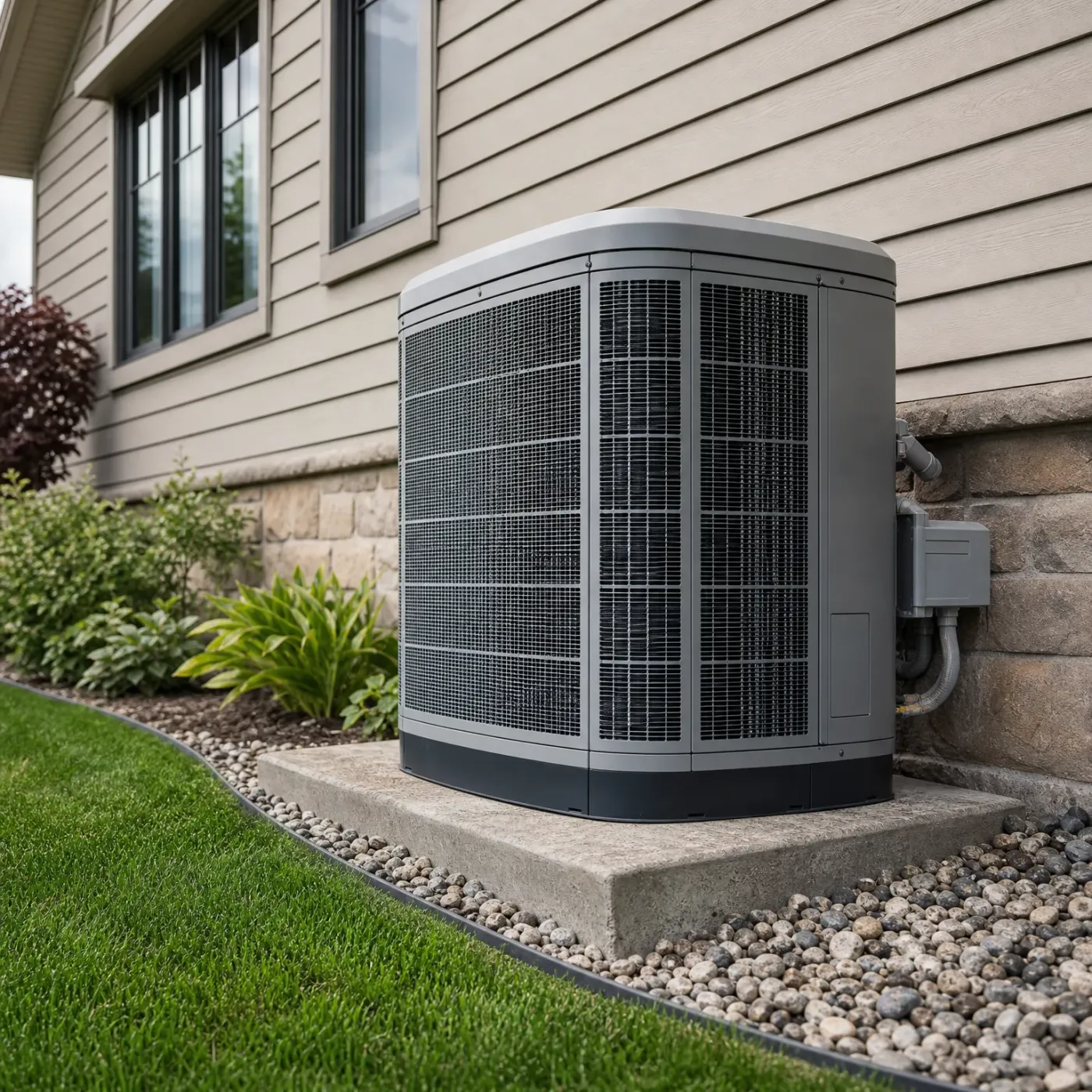
A gray outdoor condenser unit on a concrete pad beside a house with horizontal lap siding and a stone foundation, with a lawn, shrubs and decorative gravel nearby.

A heat pump pro near you

Send the request today and stop worrying about who to call.

Tell a local repair pro what your heat pump is doing.

Hand off the search

You're not committing to anything by asking.

A dark gray outdoor condenser unit on a concrete pad beside a house with beige horizontal siding, with a gray electrical disconnect box and conduit on the wall, mulch beds, a hosta plant, a shrub, and mowed lawn in front.
A clean outdoor unit gets full airflow across the coil, which lets the system run a full cycle before it shuts off.
A weathered outdoor condenser unit on a concrete pad beside a house with light horizontal siding, surrounded by bare dirt and a shrub.
Dirt packed into the grilles blocks airflow, and the unit can start tripping its safety switch within minutes of coming on.

Power costs 14.03 cents per kilowatt-hour statewide

At 14.03 cents per kilowatt-hour, every extra compressor start on your heat pump shows up on the bill. A unit that short cycles all day racks up far more of those starts than one running normal cycles, so the cost of letting it go unfixed adds up fast.

EIA-861 2025 statewide residential average

A dark bedroom with an unmade bed and pillows beside a curtained window showing rain-streaked glass and palm foliage outside.

The clock by the bed reads past one. The air conditioner clicked off again a few minutes ago, and already the room feels thick. You kick the sheet off, then pull it back when the vent blows cool for a second and quits. The window is fogged at the corners, August pressing against the glass from outside. Your shirt is damp against your back. Somewhere in the hall closet the unit kicks on, runs just long enough to make a sound, then goes quiet. You lie there waiting for it to catch and hold, counting the gap between one cycle and the next, too awake now to just let it go until morning.

What are you noticing with your own system

You hear the outdoor unit kick on, then quit again a few minutes later. Inside, a room stays warm in the corners even though the thermostat says it hit the set point. The vents blow for a short burst and go quiet before the air really changes. Some days the outdoor coil has ice on it even when it isn't that cold out. You might notice the system working harder in general, longer total runtime across the day even though each cycle is short. Left alone, a compressor that starts and stops this often wears down faster than one that runs a full cycle, and that's a repair bill that grows the longer it sits.

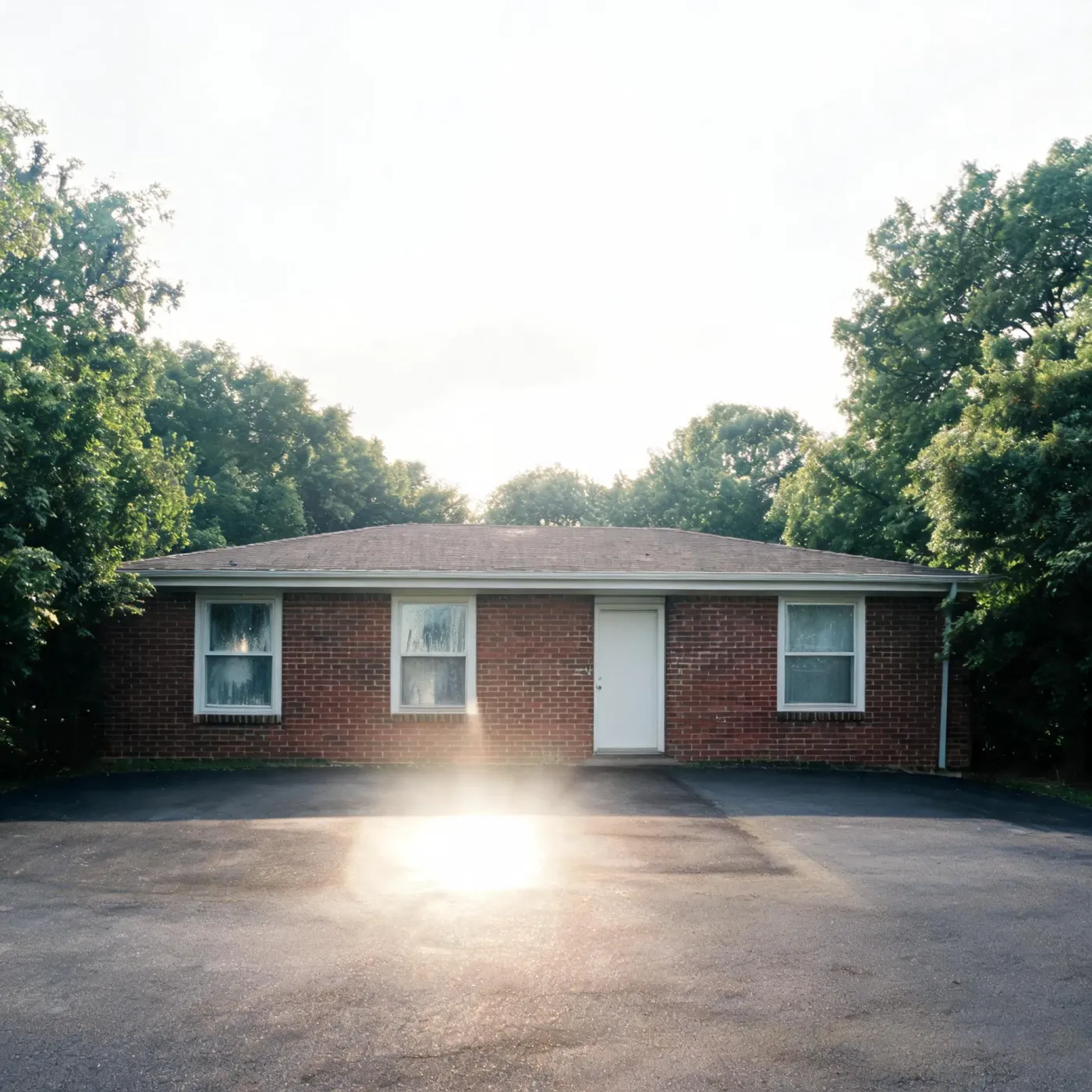
A single-story red brick house with a white door and three white-framed windows, fronted by an asphalt parking area with sun flare, surrounded by green deciduous trees under a bright hazy sky.

Summer air in Mississippi holds a dew point around 70°F, heavy enough that the outdoor coil has real moisture to pull out of the air along with the heat. A heat pump needs a full run to do that. When it short cycles, it shuts off before the coil ever gets the chance, so the moisture stays in the house. That's why a room can read the right number on the thermostat and still feel damp, and why the unit faces that same thick air again within minutes of restarting. Source: NOAA.

NASA POWER T2MDEW county cells weighted by homes

Keep Running or Get It Fixed

Let it keep running

  • The compressor keeps stopping before it finishes a cycle, so it never settles into steady operation.
  • Each restart draws a hard pull of current, and that adds up across dozens of extra starts a day.
  • A failing part like a pressure switch or the defrost control board doesn't repair itself with time.
  • Rooms stay muggy even when the thermostat reads the right number, because the unit shuts off before it pulls the moisture out.
  • Whatever is tripping the safety switch, whether it's a dirty coil or a low charge, keeps stressing the compressor every time it happens.
  • The problem that started small, like a clogged outdoor grille, can end with a compressor that won't start at all.

Get it looked at

  • A contractor can check refrigerant charge, airflow, and the pressure switches to find which one is tripping first.
  • Clearing the outdoor coil or fixing a low charge lets the system run a full cycle instead of quitting early.
  • A thermostat sensing the wrong temperature is a straightforward fix once someone identifies it as the cause.
  • Once the short cycling stops, the compressor stops absorbing the wear of constant restarts.
  • The unit can finally run long enough to pull humidity out of the air, not just drop the temperature for a few minutes.
  • You stop watching the thermostat and wondering why the room still feels thick.
A gray outdoor condenser unit on a raised pad beside a house with horizontal lap siding, with refrigerant lines, conduit and an electrical disconnect box on the wall, and shrubs on a mulch bed to the left.

Coil running clean

The outdoor unit sits quiet between cycles, coil clear and vents open on all sides. Air moves through it the way it was built to. A cycle like this can run until the thermostat is satisfied, pulling the moisture out of the air along with the heat, instead of tripping off early.


An outdoor air conditioner condenser unit on a gray composite pad beside a house with horizontal lap siding, with refrigerant lines and a conduit running to a wall-mounted disconnect box, and a shrub at left.

Coil caked with dirt

Grime covers the fins from top to bottom, and grass clippings or mulch dust pack into the grilles. With airflow that blocked, the coil can't shed heat fast enough, pressures climb, and the safety switch cuts the compressor within minutes of startup.

A man in a dark blue shirt stands in an open front doorway of a stucco and wood-clad house, facing a blond woman seen from behind in the foreground on a stone walkway.

Short cycling has a cause, and it can be found

A heat pump that shuts off a few minutes after starting is telling you something specific is wrong, not that it's tired. A dirty coil, a low charge, a bad sensor, a tripped safety switch. Whichever one it is, the short run times and the muggy rooms and the climbing bill all trace back to it.

Once you send in your information, finding the cause stops being something you have to figure out on your own. A contractor who takes on jobs like yours gets your details and reaches out to you about your heat pump. You've already done the hard part by naming what you're seeing. What happens next is someone else's job now.

Interior corner of a living room with a beige upholstered sofa and dark cushion in the foreground, a ceramic vase of leafy branches on a dark side table by a curtained window, a framed picture on the wall, and a wood-surround fireplace at right.
A modern two-story house with dark siding and stone base at dusk, with lit soffit lights, a path of large rectangular pavers set in dark gravel, planting beds, a lawn, and an orange and blue sunset sky above distant trees and water.

Heat Pump Repair

A local pro for your heat pump repair

Step 1 of 3: Equipment
  • A dimly lit living room corner with a beige upholstered sofa holding a dark green cushion and a chunky knit throw, beside a wooden sideboard with a lit ceramic table lamp, a small potted plant, and a wooden bowl, with a framed artwork on the wall and a mug on a book in the foreground.
    • A local pro who knows heat pumps gets your details and gets in touch.
    • Describe your heat pump job, and a local pro who handles it gets in touch.
  • A round wooden coffee table holding a round stone vase of green foliage, a lit candle in a glass container, and a small dark bowl, with a beige sofa, cushions and knit throw behind and a window at left.
    • Send the request today and let a heat pump pro reach out to you.
    • Get the heat pump repair search off your mind today.
  • Sunlit living room with a wooden coffee table holding a ceramic vase of leafy branches and a carved wooden tray with two stacked books, in front of a beige sofa with tan and green cushions and a potted plant near a window.
    • Describe what your heat pump is doing once, in one form.
    • Answer a few questions instead of calling shop after shop.
  • Interior corner with a lit ceramic table lamp and wooden bowl on a wood sideboard, a framed picture and branch-filled vase behind, a knit throw over an upholstered chair, and a lit candle in a glass holder, stoneware mug and round planter of green foliage on a wooden table in the foreground.
    • Your request stays with one local pro.
    • Your request goes to one pro, not a list of companies.





