







Heat pump tune-up in Pearl, MS

Send the form, and lining up the heat pump tune-up stops being yours to chase.

Hand off the search

How often should I get my heat pump tuned up?

Your heat pump works harder in Pearl than a furnace-only system would, since it's doing both jobs, the long muggy summer and the mild winter, and you want to know if it needs attention once a year or twice.

Once a year, but split into two visits if you can

A heat pump runs in both directions, cooling your home all summer and heating it all winter, so it earns a check before each job starts. One visit in spring catches a low charge or a dirty coil before the long cooling months hit. One in fall catches a failing defrost control or a worn contactor before it has to carry your heat. Rankin County winters are mild, so the heating side doesn't get pushed hard, but the unit still switches modes and runs nearly year round with barely a break. That steady use wears parts a once-a-year furnace never touches. If two visits a year isn't practical, one is still worth doing, timed for whichever season asks more of the system where you live.

  1. Technician checks refrigerant charge and tests pressures at the outdoor unit.

  2. Coils get cleaned so the system can transfer heat properly.

  3. Electrical connections and capacitors get tested under load.

  4. Reversing valve gets checked so it switches between heat and cool.

So why does your heat pump need two visits instead of one?

  • Winter nights average 37°F

    Nights average 37°F in December, January and February, cold enough that the heat pump leans on its backup heat strips if the coil or charge is off.

  • Heat runs November through March

    Heat runs November through March here. Five months is long enough for a dirty coil or low charge to show up on the power bill before anyone notices.

  • Cooling runs May through October

    Cooling runs May through October, six months of the same system working the other direction. That's more hours on the compressor than most places see in a year.

NOAA nClimDiv 1991-2020

Skip a visit and the first sign is usually the power bill, not the comfort. A heat pump running low on charge or pushing air through a dirty coil leans harder on the backup heat strips to keep up, and those strips pull a lot more electricity than the compressor alone. You might not notice the house feels a degree or two off, especially during a mild Rankin County winter, but you'll notice the bill in January. The other risk shows up in July and August, when the system runs nearly nonstop against the humidity and a weak capacitor or low charge means it cycles longer and wears faster to do the same job. A system that's never been checked is also more likely to fail on the first hot week or the first cold snap, which is exactly when a contractor's schedule is hardest to get on. Two visits a year, one before summer and one before winter, catches most of this before it costs you a surprise repair or a week of discomfort waiting for a slot to open up.

A man in a gray sweater reclines in a brown leather armchair with his eyes closed, beside a wooden side table holding a mug, a folded newspaper and a potted plant, with a bookshelf and sunlit window behind him.
A man with greying hair and a dark sweater leans back on an armchair with his eyes closed and a slight smile, in a living room with a bookshelf, plant, folded newspaper and mug on a wooden table.
A man in a gray fleece jacket sits reclined in a leather chair with his eyes closed, in a room with bookshelves, a table lamp, a window, and a desk holding a folded newspaper and a dark mug.
A bearded man in a gray fleece pullover sits with eyes closed in a brown leather armchair in a living room, with a floor lamp, bookshelf, potted plants, a side table holding newspapers and a dark mug, and a bright window behind him.
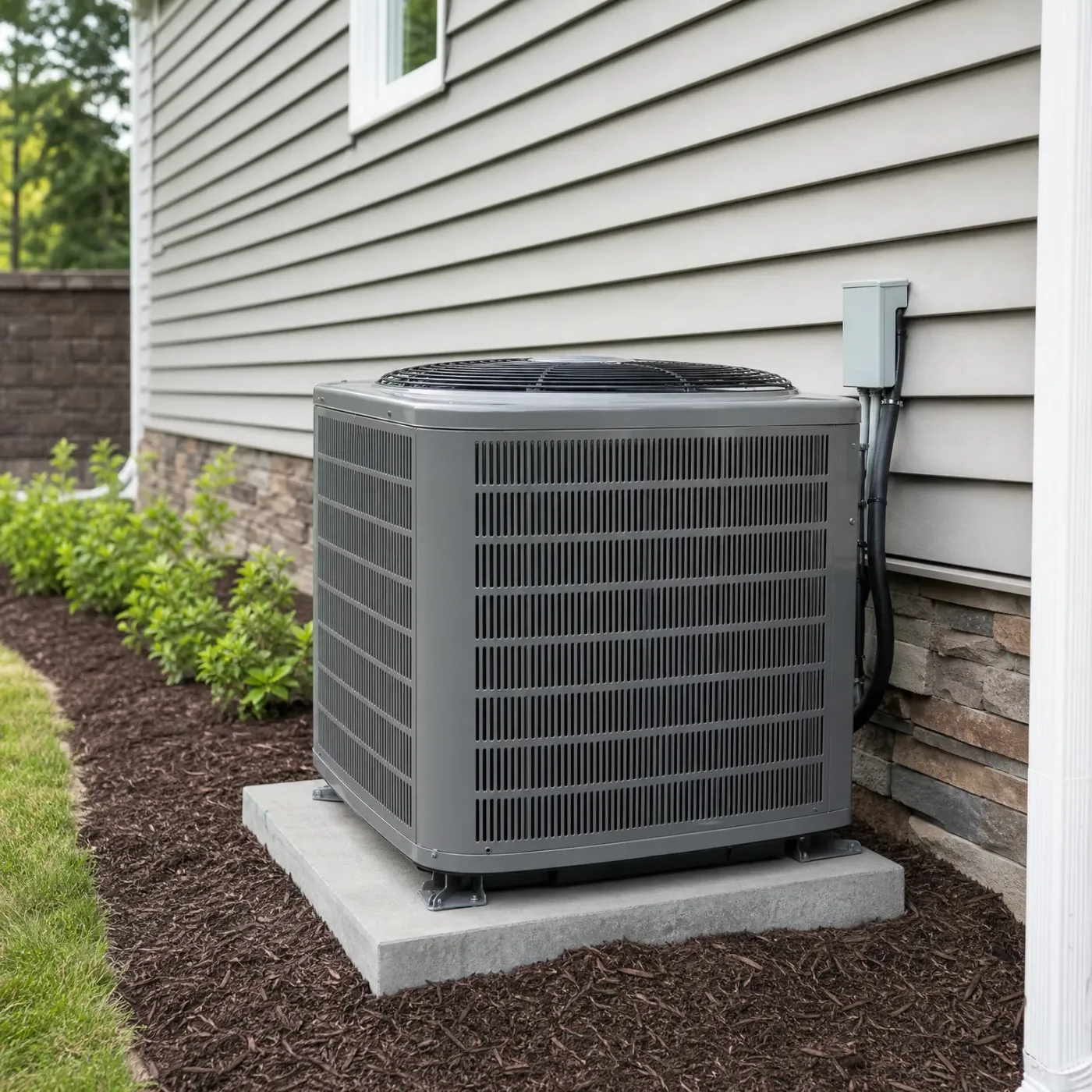
A gray outdoor condenser unit on a concrete pad beside a house with horizontal siding and stone veneer, with a disconnect box and refrigerant lines on the wall, surrounded by mulch, shrubs, and lawn.

Finding a pro stops being your job

The pro who gets in touch is licensed in Mississippi and works in Rankin County.

Send the form and the heat pump tune-up stops being something to remember.

Send my request

Sending the form costs nothing.

Spring Tune-Up or Fall Tune-Up

Spring tune-up

  • Catches a low charge or a dirty coil before the system switches to cooling mode in April.
  • Compressor and fan motor get checked under a lighter load, since the heat isn't running yet but the heat isn't needed either.
  • Gives a contractor time to order a part if something's marginal, before the muggy months when that part is working hardest.
  • Lines up with when most homeowners in Pearl are already thinking about their AC holding up through summer.

Fall tune-up

  • Checks the reversing valve and defrost control before nights drop into the 30s and 40s in Rankin County.
  • Catches a coil or charge problem before it pushes the backup heat strips to run more than they should.
  • Comes right before the system switches from cooling to heating, so it's tested in the mode it's about to use.
  • Misses it and a weak spot in the system shows up as a cold room or a power bill that jumped in January.
A gray outdoor air conditioner condenser unit on a concrete pad beside a house with horizontal lap siding and a stone veneer base, with a conduit running to a wall-mounted disconnect box and shrubs and evergreen trees to the left.
A heat pump that's kept up stays clean and dry around the base, with no rust forming on the fan grille.
An outdoor air conditioner condenser unit with rust spots on its top grille sits on a concrete pad beside a house with light horizontal siding, with conduit lines and an electrical box on the wall and a mulch bed to the right.
A unit that misses visits rusts at the top and collects dirt at the base, and the strain shows in the power bill before it shows in comfort.

Why does the power bill keep climbing in Pearl?

You might notice the outdoor unit running longer than it used to, or air coming out of the vents that feels cooler than it should on a mild January morning. Sometimes there's a thin layer of grime on the coil fins if you look through the grille, or ice forming on the unit during a cold snap and taking a while to melt off. None of that looks dramatic day to day. What you'll actually notice first is the bill, since a heat pump straining to keep up leans on the backup heat strips more than it should, and those pull far more power than the compressor alone. Left alone through a full winter, that strain adds up on the electric bill before anything in the house ever feels wrong.

A gray outdoor condenser unit on a concrete pad beside a house with horizontal lap siding, with a metal disconnect box and refrigerant lines on the wall, river rock and mulch to the sides, and a green shrub at right.

Running clean

This is what a heat pump should look like year round. The coil is clear, the fan grille is free of rust, and the ground around the pad is dry. Air moves through it the way it's supposed to, so the compressor isn't working past what the job calls for.


An outdoor air conditioner condenser unit on a concrete pad beside a house with horizontal siding, with conduit, cables and an electrical box on the wall and mulch beds at either side.

Working against itself

Dust and grime have built up over the coil fins, so the unit can't shed heat the way it needs to. The compressor pulls harder to make up for it, and in Pearl's long summer that strain runs for months before anyone notices the bill.

An older man with gray hair and a navy knit sweater sits in an armchair with his eyes closed, near a bright window with potted green plants.
A woman in a cream knit sweater sits in an armchair indoors, eyes closed and smiling, beside a window showing yellow and orange autumn foliage, with a mug on a wooden side table and shelves holding vases behind her.

Where your heat pump stands

  • Twice a year, spring and fall, keeps a Rankin County heat pump from leaning on backup strips it doesn't need to use.
  • A local contractor who services heat pumps all year in this climate knows the coil and charge issues that show up first here.
  • One contractor handles the visit, so you're not fielding calls from several companies after sending one request.
  • The power bill and the rust on the fan grille both tell the same story before a compressor ever fails.
  • A unit checked on schedule runs the way the one in the clean photo does, dry at the base and clear at the coil.

Twice a year is the answer, spring and fall, timed to the two jobs this system does in Rankin County. That's what catches a low charge before summer and a weak coil before the backup strips start carrying weight they shouldn't in December. Skip it and the unit doesn't fail outright. It just works harder than it has to, and that shows up on the power bill first, then on the fan grille, then eventually in the compressor itself.

Finding someone who actually knows this equipment matters more than the visit itself. A heat pump in Pearl runs almost year round, switching between heating and cooling in a way a furnace never has to, and the contractor who services these year after year has seen which part usually goes first, the coil, the charge, the reversing valve. Send one request and one contractor picks it up, licensed and local, so you're not sorting through calls from three different companies trying to book the same job.

The unit either looks like the one running clean, dry at the base, clear at the coil, or it looks like the one that's been skipped, rust at the grille and grime building where it shouldn't. There isn't a third option. What a spring and fall visit does is keep it on the first side of that line, and keep the backup strips doing as little work as possible when those December nights drop into the 30s.

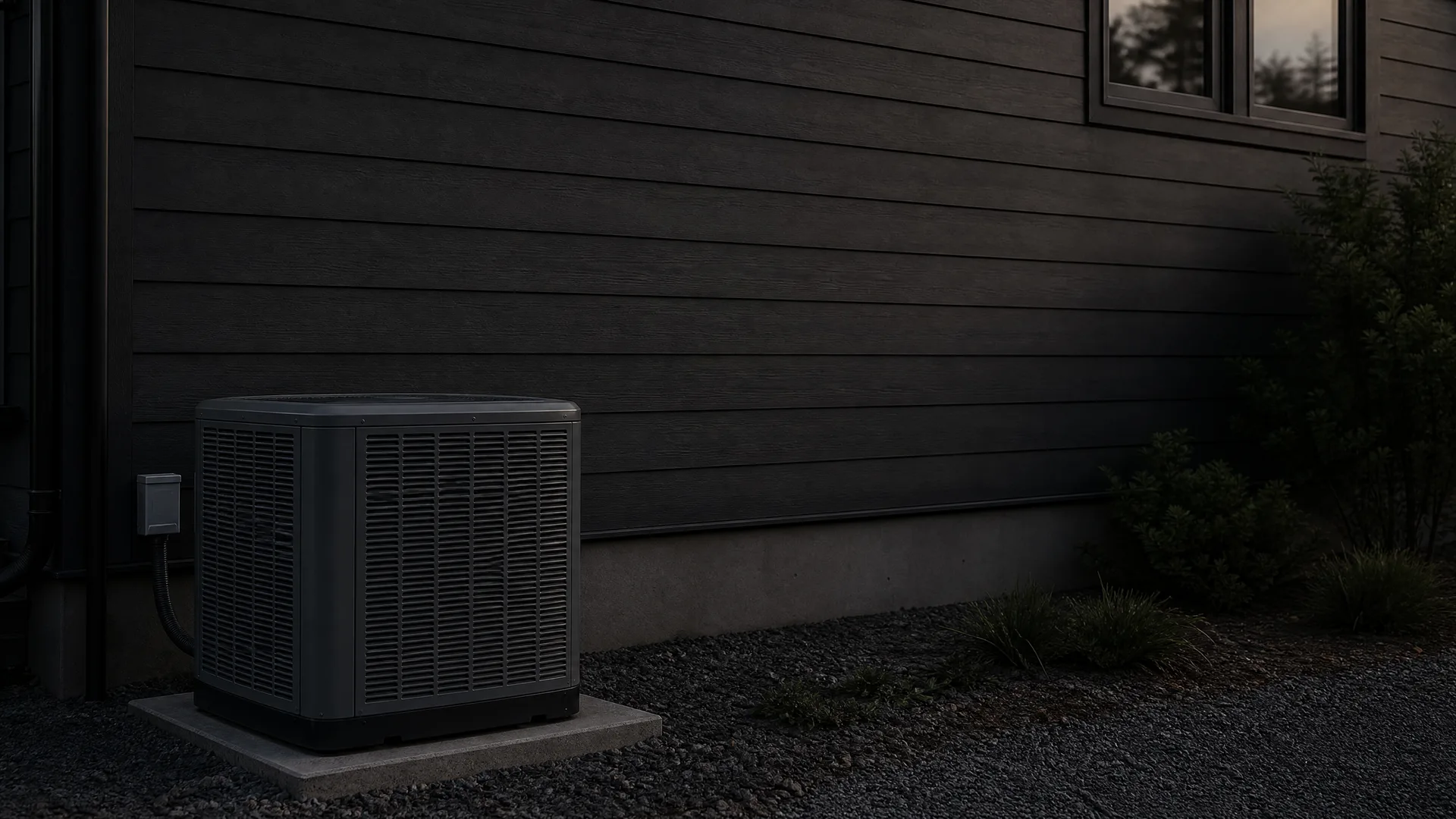
An outdoor condenser unit on a concrete pad beside a dark horizontal-lap-sided house, with gravel, shrubs and a small electrical disconnect box on the wall, in dim light.

Let someone else find the pro

A licensed pro who works in Rankin County gets your request.

Step 1 of 3: Equipment