Heat pump not heating in Pearl, MS

Get matched with a pro who works on heat pumps in Rankin County.

Find a heat pump pro

A heat pump that runs but blows cool or lukewarm air usually means it's stuck in the wrong mode, low on refrigerant, or it's frozen up outside. Winters in the Pearl area are mild, so your system sits in heat mode far less than it runs cooling, and that idle time is when a reversing valve can stick or a thermostat setting gets left wrong without anyone noticing. A frozen outdoor unit will blow cold air no matter what the thermostat says, since the coil can't pull in heat through a layer of ice. Low refrigerant does the same thing: the system runs, the fan moves air, but there isn't enough heat to transfer. None of these are things to wait out. A heat pump that keeps running without heating the house is also running up your electric bill while it does nothing for you, and some causes, like a stuck valve or a failing compressor, get worse the longer they run.

Why does your heat pump matter so much on a cold Pearl night?

  • Winter nights average 37°F

    37°F doesn't sound harsh, but it's cold enough that a heat pump stuck in cooling mode or low on charge won't keep up, and you'll feel it by morning.

  • Heat runs November through March

    Five months of heat means the system sits unused most of the year. That idle stretch is when a weak part can fail quietly before you ever switch it on.

  • Cooling runs May through October

    Six months of cooling is the bulk of the work your heat pump does here. Come November, it has to reverse itself, and that's often where problems show up first.

NOAA nClimDiv 1991-2020

Mild winters mean the heat pump idles most of the year, then gets asked to run on the handful of nights it actually drops near freezing. If it's low on charge or stuck switching modes, that's exactly when it fails you.

A furnace or electric strip backup has one job and does it the same way every time. A heat pump has to reverse itself and pull heat from outside air, so there's more that can go wrong when it's asked to switch over after months of sitting idle.

A gray-haired bearded man in a dark knit sweater sits on a light gray sofa in a sunlit living room, looking to his left, with a framed artwork, a potted palm, and a curtained glass door behind him.
A middle-aged man in a dark green sweater sits on a light grey sofa looking toward a sunlit window, with a wooden shelving unit, lamp and potted plants in the background.
A man in a dark green sweater sits on a light grey sofa in a sunlit living room, looking to his left, with a shelving unit, houseplants, framed art and a large window behind him.
A gray-haired bearded man in a dark green sweater sits on a light gray sofa in a sunlit living room with a potted plant, framed picture, and dark shelving in the background.

How a heat pump makes heat

  • A reversing valve tells the system whether to run as an AC or a heater, and it can stick in the cooling position.
  • Outdoor coils ice over in damp cold below about 40°F unless the defrost cycle kicks in on schedule.
  • Defrost mode briefly reverses the system and runs the outdoor fan less, so a few minutes of cool air from the vents is normal, not a fault.
  • A low refrigerant charge shows up most on the coldest nights, when the system has the least margin to begin with.
  • Electric strip heat is meant to back up the heat pump on the hardest nights, and it should kick on, not carry the whole load alone.
  • A thermostat set to "emergency heat" by mistake shuts the heat pump off entirely and runs strips only, which costs more and masks the real problem.

A heat pump doesn't burn anything to make heat. It moves heat from the air outside into your house, using the same refrigerant loop that cools your home in summer, just run backward. A part called the reversing valve is what tells it which direction to run. When that valve sticks, the system keeps acting like it's July even on a 40-degree morning, and you get room-temperature air instead of warm air.

Cold, damp air outside means frost builds up on the outdoor unit's coil. The system handles that on its own, switching briefly into a defrost cycle that melts the ice off before it goes back to heating. During defrost the outdoor fan slows and the indoor vents can blow cool air for a few minutes. That's normal. What's not normal is the unit staying in that frosted-over state because defrost isn't firing when it should, since that leaves the coil blocked and the whole system starved for airflow.

Refrigerant charge matters more on the coldest nights than on a mild one, since that's when the system has the least room for error. If the charge is low, the unit may keep up fine most of the winter and then fall short exactly when you need it most.

Behind the heat pump, electric strips are there to help on the hardest nights, not to run the show. If the thermostat got bumped to "emergency heat," the heat pump stops contributing and the strips do all the work by themselves, which costs more and covers up whatever's actually wrong with the heat pump.

A gray outdoor condenser unit on a concrete pad beside a light-colored horizontal-siding house, with a disconnect box and refrigerant line on the wall, ornamental grasses and a shrub in mulch nearby, and a concrete patio in the foreground.
Outside, the unit sits clean on its pad, coil visible and clear, running its normal cycle without frost anywhere on the cabinet.
An outdoor air conditioning condenser unit on a concrete pad beside a house with horizontal lap siding, with a green shrub to the left and a wide concrete slab in the foreground.
Ice across the coil or cabinet while the system keeps running is the sign a contractor needs to see before it melts.
A dark bedroom at night with an unmade bed and a pillow beside a rain-streaked window showing distant lights and trees outside.

It's past midnight in January, cold enough that Pearl saw frost on the grass this morning. You're under two blankets and still reaching for a third. The vents are moving air, you can hear the system running, but what's coming out doesn't feel like heat. Your spouse already gave up and grabbed a space heater from the closet. You check the thermostat and it says 70, but the room doesn't agree with it. Somewhere outside, the outdoor unit is running too, maybe caked in ice, maybe just stuck telling itself it's July. A contractor who works heat pumps around Rankin County all winter could tell you which from the driveway.

Get matched with a heat pump pro in Rankin County

The pro who gets in touch is licensed in Mississippi and works in Rankin County.

You're not committing to anything by asking.

A gray outdoor condenser unit on a concrete pad beside a light green lap-sided house, with a wall-mounted electrical disconnect box, mulch bed with shrubs, river rock, and a paved walkway in the foreground.

Clear coil, normal cycle

A clean coil like this one pulls heat from the outside air without a fight. The unit cycles on, runs its defrost when it needs to, and shuts off again. Nothing on the cabinet, nothing on the fins, just a system doing its job.

An outdoor air conditioner condenser unit on a concrete pad beside a house with beige vinyl siding, with a gray electrical disconnect box and insulated refrigerant lines on the wall and river rock to the right.

A coil packed with dirt and debris

Fins this clogged can't move heat the way they're built to. The unit works harder for less warmth, and a coil already fighting debris is more likely to ice over on a cold night and stop heating altogether. That's a job for a contractor who knows what to look for.

An outdoor air conditioner condenser unit on a concrete pad beside a light gray vinyl-sided house, with an electrical disconnect box and conduit on the wall and bare soil in the foreground.
Before you get your heat pump repair
A gray outdoor condenser unit on a concrete pad beside a house with horizontal lap siding, connected by conduit and lines to a wall-mounted disconnect box, with a shrub and gravel bed to the left.
After you get your heat pump repair

25 to 30 minutes

That's about how long a full defrost cycle takes on most heat pumps. If the coil is still iced over after that, the defrost control or a sensor likely isn't working right.

Match me with a pro

Backup heat still on

If your strips or furnace keep carrying the load night after night instead of the heat pump, that's worth having a contractor check rather than just living with it.

Match me with a pro

Why does my heat pump switch to defrost mode in the first place?

You've noticed the outdoor unit pause, run a fan, and steam a little before kicking back into its regular cycle, and you want to know what's happening when it does that. It can look like a malfunction if you're watching it for the first time on a cold night, especially if warm air stops coming through the vents while it happens.

It's melting ice off the outdoor coil

The outdoor coil pulls heat from the air even when it's cold outside, but on damp nights in the 30s and 40s, moisture in the air freezes onto the coil's fins. Once that frost builds up, the coil can't pull heat efficiently anymore. A sensor or timer tells the system to reverse briefly, run like an air conditioner for a few minutes, and melt that ice off before switching back to heating. That's why the outdoor fan may pause and you'll see steam rising off the unit. It's normal and it's supposed to happen on cold, humid nights around Pearl. The problem starts when defrost runs too often, runs too long, or doesn't clear the ice at all.

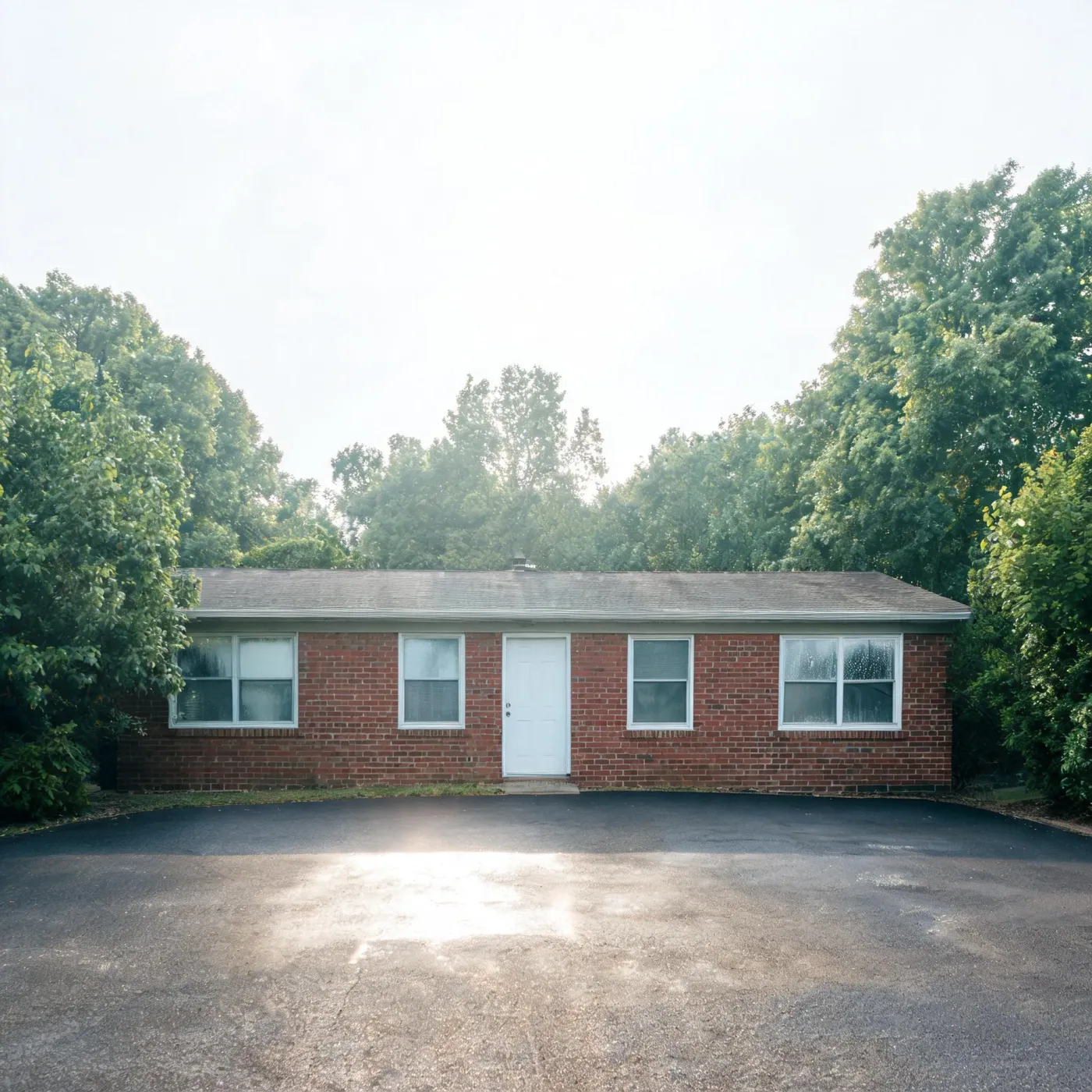
A single-story red brick house with a white door and white-framed windows, backed by dense green trees and fronted by a large asphalt parking area under hazy bright sky.

Summer air in Rankin County holds a dew point around 70°F on average through June, July and August, which is the kind of muggy that sticks to you the second you step outside. Your heat pump works that same moisture out of the air it pulls through the coil before it ever cools the house. On a day like that, the system runs long cycles just to keep up, and if the coil is dirty or low on refrigerant, it loses ground fast. You'll notice it as air that feels cool but not dry, or a unit that seems to run constantly without the house ever catching up. Source: regional climate data for Rankin County, MS.

NASA POWER T2MDEW

What are you noticing around the house right now

You've probably bumped the thermostat up a few degrees and it hasn't helped. The air from the vents feels cool, not warm, even though the system is running. Maybe one room stays colder than the rest, or the outdoor unit looks iced over when you go check it. You might hear it running longer than it used to, or notice the backup heat kicking on more than it should. None of that's just an annoyance. A heat pump that can't keep up on a cold night in Pearl means the house loses heat faster than it makes it, and if backup strips are carrying the load night after night, your power bill will show it before anything else does.

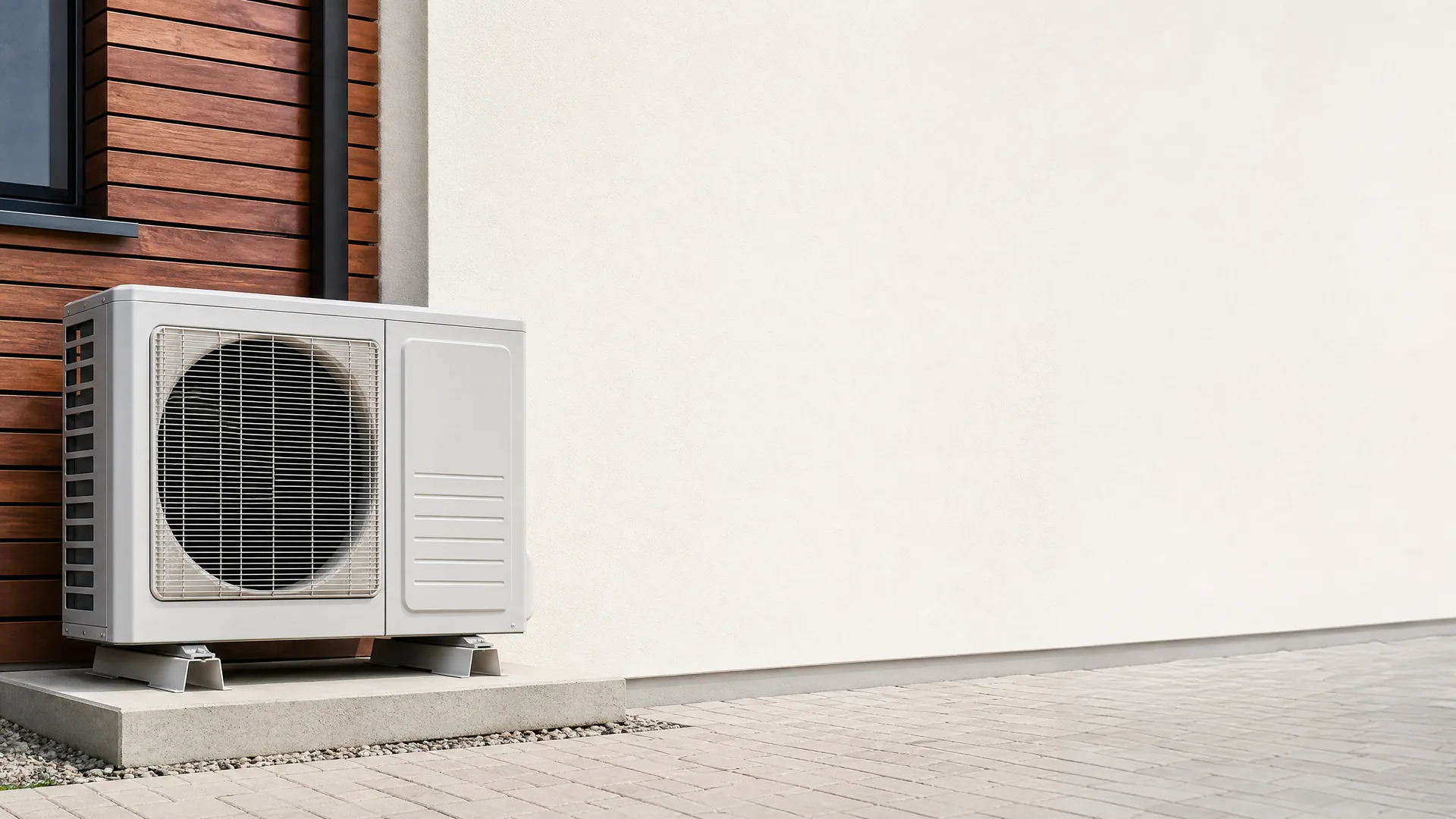
A white outdoor heat pump unit on a concrete pad beside a house with wood-slat siding and a large plain light-colored stucco wall, with paving stones in the foreground.

Running without a repair

The heat pump keeps idling into the next cold night the same way, stuck in whatever mode it's stuck in. Backup heat or a space heater might cover the gap for a while, but the strips or furnace are doing work the heat pump should be doing, and a coil that ices over once will ice over again on the next cold, damp night. Nothing about the underlying problem changes on its own.

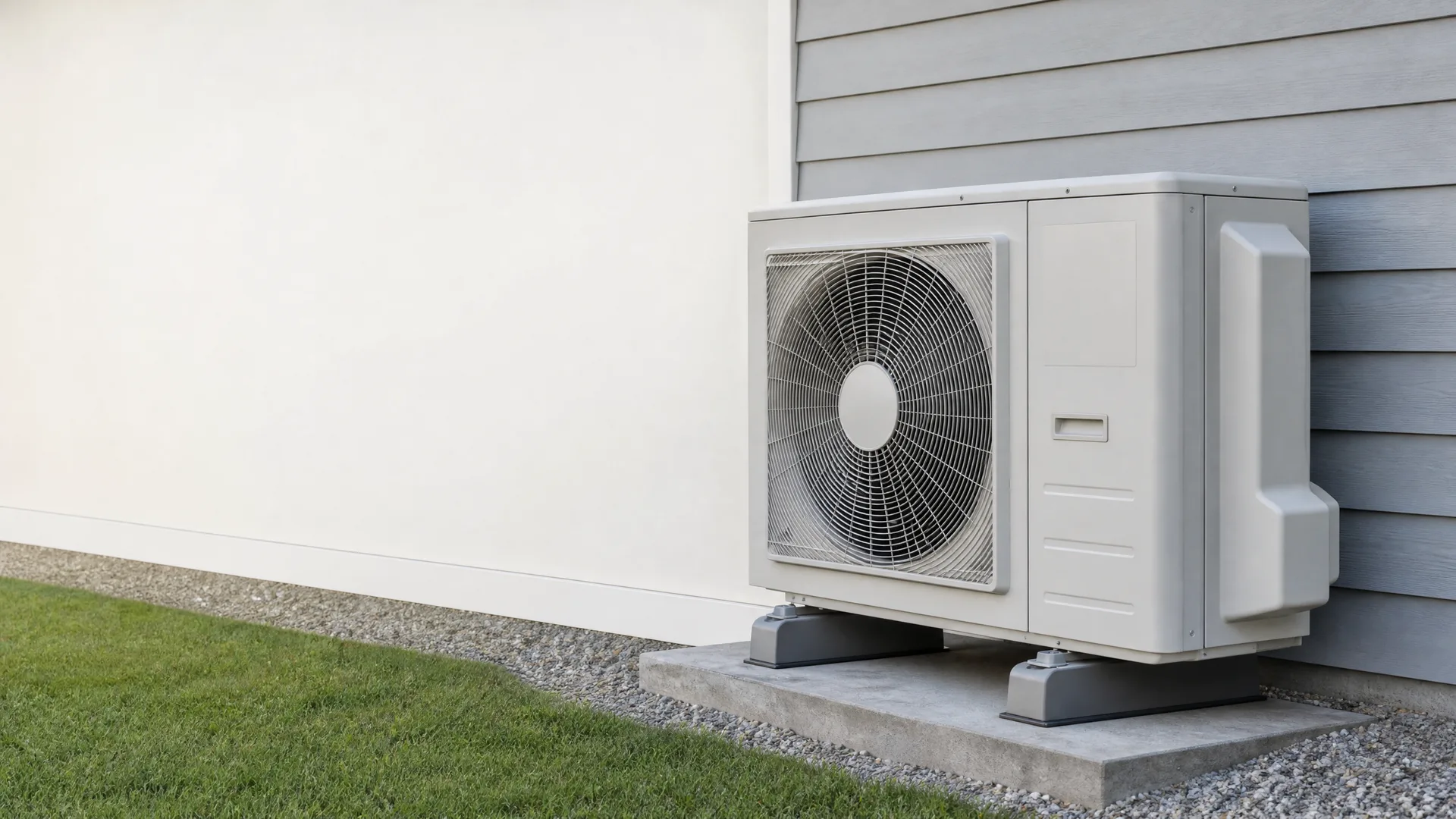
A white outdoor heat pump unit on rubber feet sits on a concrete pad beside a gray-sided house wall, next to a smooth light wall, gravel strip and lawn.

After a contractor looks at it

A local contractor who works on these systems every winter can tell you fast whether it's the reversing valve, a low charge, or a defrost control that's not cycling right. Once that's fixed, the heat pump goes back to doing what it's supposed to do on a 37°F night: run its normal cycle, defrost when it needs to, and put out air that actually feels warm when it reaches the vent.

A woman stands in the open front doorway of a single-story house with stone and wood siding while a man in a dark polo shirt and cap walks toward it along a concrete path.

A heat pump blowing cool air isn't working right, whatever the thermostat says

A heat pump that runs but doesn't warm the house has one of a few problems: stuck in the wrong mode, short on refrigerant, or iced over outside with the defrost cycle not doing its job. None of those clear up on their own, and none of them are things to guess at from inside the house. Someone has to look at the outdoor unit and the refrigerant charge to know which one you've got.

That's the kind of call where it helps to have one contractor who already knows this equipment, not three different companies competing to look at your coil. A local contractor who services heat pumps all over Rankin County has likely already seen this exact failure this winter, on a system like yours, in weather like this. When you request service, you're matched with that contractor, and they'll reach out to sort out what's actually wrong with your system.

A speckled beige ceramic vase holding thin dried branches sits on a round wooden table near a window with sheer curtains, with a dark upholstered chair and draped blanket blurred in the background.
A woman with shoulder-length dark brown hair in a cream knit cardigan sits in an upholstered armchair beside a window, looking off to the side, with a white bookshelf and potted plant blurred behind her.
A woman with dark hair in a bun sits wrapped in a chunky knit blanket on a couch with a child resting his head on her shoulder, eyes closed, beside a lit lamp and bookshelf indoors.

Heat Pump Repair

Get the right pro for your heat pump

A licensed pro who repairs heat pumps in Rankin County gets your request.

A black-framed smartphone standing upright against a plain white background, its screen filled with solid green.
Step 1 of 3: Equipment