Running clean
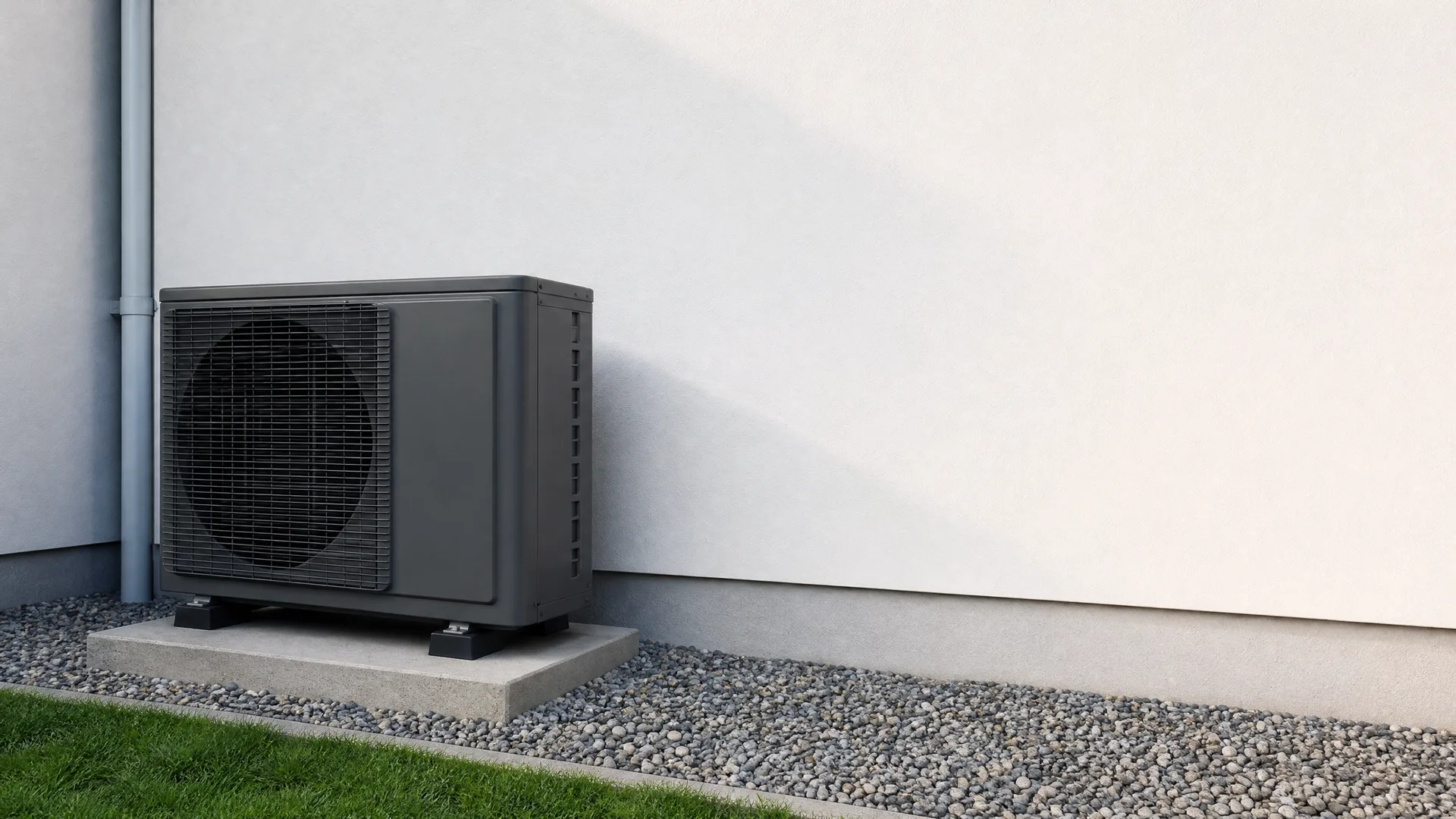
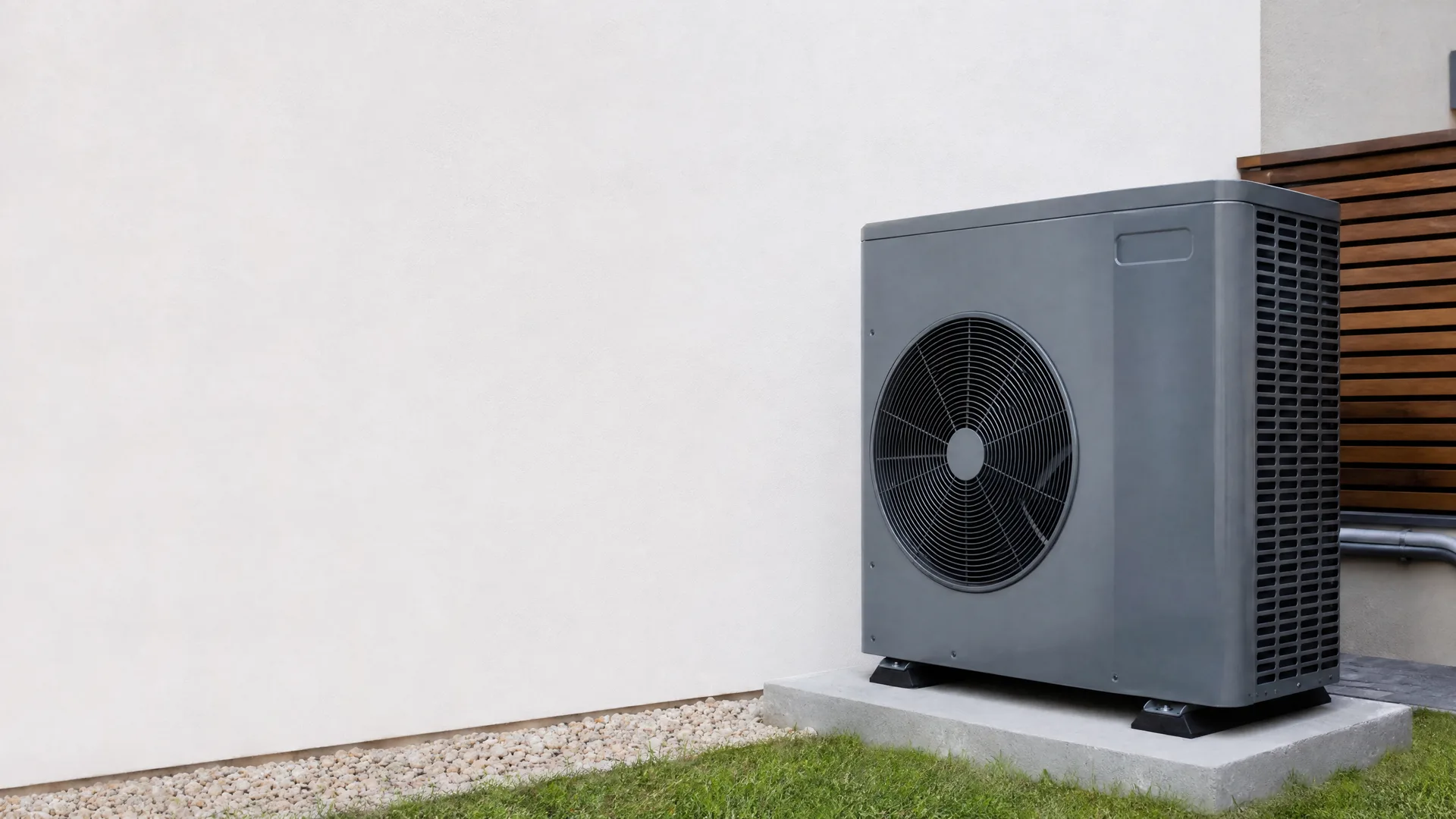
This is what a heat pump should look like outside: clean fins, clear base, nothing blocking the airflow around it. Air moves through it the way it's supposed to, so the coil can shed frost on its own during a normal defrost cycle.
 Answer a few questions
Explain the heat pump problem once instead of to every shop in Madison County.
A frozen heat pump in Madison doesn't mean the system is broken beyond saving, but it does mean something is wrong, and running it won't thaw it out on its own. Ice building up across the outdoor unit usually points to one of a few things: low refrigerant, a dirty coil, a fan that isn't moving air, or a reversing valve stuck where it shouldn't be. The mild winters here mean a heat pump runs more hours than it would up north, and that extra runtime is exactly when a low-level problem like this tends to show up.
Right now you probably want it fixed, not a lesson in refrigeration cycles. The usual path from here is the slow one: searching for a contractor who actually works on heat pumps instead of just furnaces, calling two or three companies, explaining the same symptoms each time, then waiting on quotes to compare before you even know who's available. That's hours spent before a tech ever sees your unit.
This page skips that. You're matched with one licensed contractor in Madison County, someone who works on heat pumps through the mild winters and the long, muggy summers here and has seen this exact ice buildup plenty of times. Not a list of five companies calling you back at once, just the one who's right for the job, already local, already familiar with what tends to fail on these systems.
You still have a frozen unit outside and a decision to make about who gets to look at it. The difference is you make that decision once, not after a string of calls. Fill out what's below and the rest of the search is done for you.
A frozen heat pump is trying to tell you something. Heat pumps go through normal defrost cycles in cold weather, melting off any frost that builds up on the outdoor coil. When ice keeps coming back faster than the system can clear it, or coats the unit solid, something is stopping that cycle from working right. Low refrigerant is a common cause, because a system running low pulls coil temperatures down below freezing even when the air around it isn't that cold. A dirty filter or blocked return can do the same thing by starving the system of airflow. A failed defrost control board or a stuck reversing valve will stop the defrost cycle from firing at all. Winters in Madison are mild, so this usually isn't about brutal cold, it's about a part that's failed. Keep running the system and you risk the compressor, the most expensive part to replace.
Winter nights average 37°F
Overnight lows average 37°F here in December, January and February, cold enough to push a struggling heat pump into defrost trouble.
Heat runs November through March
Heat runs November through March, five months where the outdoor unit has to work through cold nights and can freeze if something's off.
Cooling runs May through October
Cooling runs May through October, so the same outdoor coil spends half the year doing the opposite job, with no ice to worry about.
NOAA nClimDiv 1991-2020
Sometimes the fix is small. A dirty air filter chokes airflow across the indoor coil, and that imbalance shows up as ice outside. A thermostat set to run the fan only, instead of auto, stops the system from cycling into defrost the way it should. Outdoor coils packed with leaves or pine straw block airflow the same way a dirty filter does. A contractor who checks these first can sometimes have the unit running clear again in one visit, without opening up the sealed system at all.
Other times the ice is a symptom of something that won't clear on its own. A low refrigerant charge means a leak somewhere in the lines, and that leak has to be found and sealed before the system holds its charge again. A failed defrost control board or a stuck reversing valve keeps the unit from ever switching into defrost mode, so frost just builds and builds. A weak blower motor can't move enough air to keep the coil above freezing. These need a licensed hand and the right gauges, not a weekend guess.
Go look at the outdoor unit. If you see a thin white coating on the coil, that can still be normal frost working its way through a defrost cycle. If you see solid ice, clear panels of it, or ice climbing up the refrigerant lines, that's past normal. You might hear the system running longer than usual, or notice warm air isn't coming through the vents like it should even though the unit outside is on. Some homeowners notice the outdoor fan isn't turning at all under the ice. Left alone, a heat pump working against that much ice strains the compressor, and a damaged compressor is a far bigger repair than whatever caused the freeze in the first place.

This is what a heat pump should look like outside: clean fins, clear base, nothing blocking the airflow around it. Air moves through it the way it's supposed to, so the coil can shed frost on its own during a normal defrost cycle.

Grime built up like this across the fins and base cuts off airflow before ice ever shows up. An older unit that's gone a while without a cleaning holds onto cold air and moisture longer, and that's often where the freezing starts.




A licensed pro who repairs heat pumps in Madison County gets your request.
It costs nothing to send, and you don't have to hire anyone.
A heat pump in defrost mode reverses itself for a few minutes, sends heat outside to melt the coil, and switches back. That cycle runs on a timer or a sensor, not on how cold it is outside.
If the reversing valve sticks or the defrost sensor fails, the system never gets the signal to switch back, and ice keeps building with every cycle it misses.


A heat pump handles frost on its own most of the time. The control board runs the defrost cycle on a schedule, checking the outdoor coil's temperature through a sensor clipped right to it. When conditions call for it, the reversing valve flips the system into cooling mode for a few minutes, which sends hot gas out to the coil instead of into your house. The outdoor fan shuts off during this so the heat stays on the coil instead of blowing away. That's also why you might feel cool air indoors for a few minutes. It isn't a malfunction. It's the system making heat outside instead of inside. Once the coil clears, the system reverses again and goes back to heating. Any piece of that chain can fail quietly. A stuck reversing valve, a bad sensor reading, or a board that misses its timer can all mean defrost never starts, and the ice just keeps building. A low refrigerant charge works against the same process, pulling coil temperature down faster than a normal cycle can keep up with.


The thermostat calls for heat, running the system normally.
A sensor or timer tells the system to start defrost.
The reversing valve switches the system into cooling mode.
Hot refrigerant routes outside and melts the coil's ice.


At 13.49 cents per kilowatt-hour, running the heat pump's fan or backup strip heat while you wait on a repair won't wreck your bill. It's worth getting the ice problem fixed, but it's not a reason to panic about what the system costs to run in the meantime.
EIA-861 2025

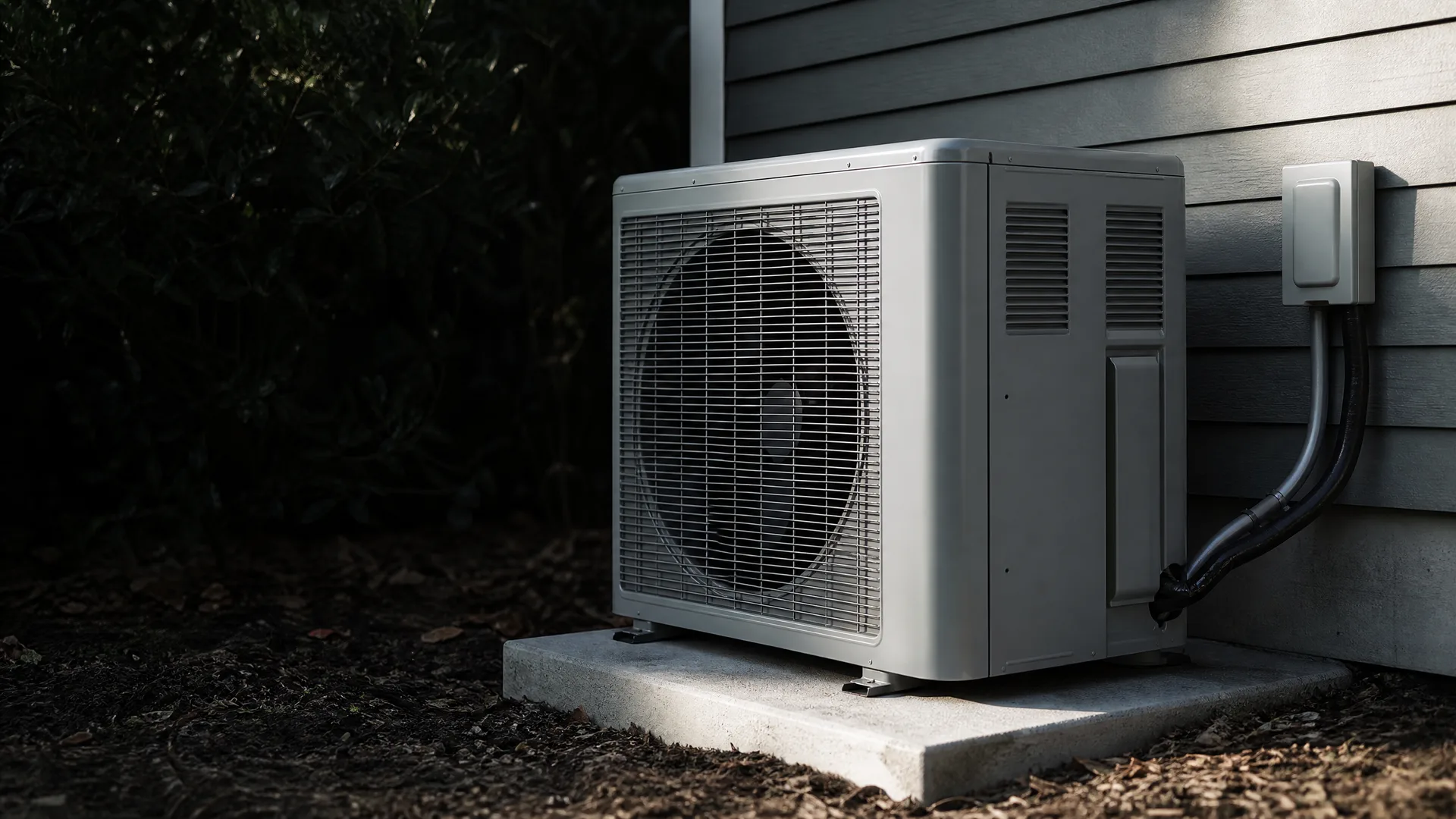
This is a heat pump that's keeping up. The fins are clear, the pad is dry, and the mulch bed around it isn't catching leaves or debris against the cabinet. Air pulls through evenly, so the coil can shed frost on its own during a normal defrost cycle and get back to heating.

This one has dirt built up across the coil and grime on the cabinet from age. Airflow is already restricted before any ice shows up, so when a defrost cycle should clear a coating of frost, it can't keep pace. That's the kind of unit that freezes over and stays that way.

Ice on the coil is a symptom. Whether it's a failed defrost board, a stuck reversing valve, low refrigerant, or just a dirty filter choking the airflow, the fix depends on which one it is, and that's not something to sort out by staring at the unit. A contractor who works on these systems all winter can look at the pattern, the thickness of the ice, and the airflow and tell you which part failed.
Finding that contractor is the part you can skip. Instead of calling around Madison County, explaining the ice buildup to three different companies, and weighing quotes against each other, this connects you with one licensed local contractor who already knows what tends to fail on heat pumps here when overnight lows sit in the 30s. One call, one visit, and you know what's wrong with your system.

Describe it once