Profile view of a bearded man wearing a dark baseball cap and a dark gray T-shirt against a plain off-white background.

Can a heat pump keep up in a Mississippi winter

Step 1 of 3: Equipment

Can a heat pump keep up in a Mississippi winter?

Winters in Mississippi don't get brutal, but they do dip low enough some nights to make you wonder if the heat pump outside is actually doing its job or just running without keeping the house warm. If you're heating with electricity already, you want to know whether that system is the right one for the cold snaps you do get, not just the mild stretches.

Yes, a properly sized heat pump handles Mississippi winters fine

A heat pump moves heat from the outside air into your house, and it can still pull warmth out of air that feels cold to you, down into the 20s and even lower. Mississippi winters rarely hold at those temperatures for long. Most nights stay well above the point where a heat pump struggles, and the coldest snaps tend to pass in a day or two rather than settle in for weeks. Some systems add a small amount of backup heat for the rare hard freeze, but that's the exception, not the everyday run. If the unit is sized right for your house, it should keep the place warm through the winters here without leaning on backup heat very often.

A gray outdoor condenser unit on a concrete pad beside a beige vinyl-sided house, with a wall-mounted disconnect box, flexible conduit, mulch bed, shrubs and a concrete walkway in front.

Running clean and clear

A heat pump kept clear of leaves and grime around the base pulls air through easily and holds its output on a cold night. The coil stays free to do its job, and the unit cycles the way it was designed to. This is what steady heat looks like from outside.


A weathered gray outdoor condenser unit on a concrete pad beside a house with horizontal vinyl siding, with conduit, refrigerant lines, and an electrical disconnect box on the wall behind it.

Fighting through buildup

Leaves piled against the base and grime caked on the grille choke off airflow before the unit ever gets started. It has to work harder for the same heat, and on the coldest nights that's when it falls behind. A unit left like this for years is the one that struggles when you need it most.

Why does the house feel cooler on the coldest nights

On a cold snap you might notice the air coming from the vents feels cooler than usual, even though the system is running. You hear it cycle on and stay on longer than it used to, working to hold the temperature instead of reaching it and shutting off. Some rooms lag behind the thermostat reading. Outside, you might see frost built up heavy on the coils or the unit running with ice that isn't melting off between cycles. None of that means the heat pump is finished, but a unit straining on every cold night tends to run longer and pull more power to get the same result, and a struggling system now is more likely to need a real repair before winter's out.

A gray-haired, bearded man in a dark coat dusted with snow stands smiling in a dimly lit room with a lamp, mirror, framed art, and a sofa in the background.
An older man with white hair and a beard, wearing a dark snow-dusted coat and scarf, stands in a warmly lit interior hallway with a framed landscape picture, a table lamp and a potted plant behind him, and a snowy view through a window at left.
An older man in a dark snow-flecked overcoat and scarf stands smiling in a warmly lit home entryway, with a glass-paned door showing darkness outside and a lamp-lit room visible through a doorway behind him.
An older man with gray hair and a beard, wearing a dark snow-dusted jacket and scarf, stands smiling in a warmly lit interior hallway with a lit table lamp, a vase of dried branches, and a framed picture in the background.
A gray outdoor condenser unit on a concrete pad beside a house with horizontal lap siding, a conduit and disconnect box on the wall, a shrub with white flowers at right and evergreen foliage at left.
A heat pump with clear coils and a clean pad can pull in outside air without a fight, even when it's working hard on a cold night.
An outdoor air conditioning condenser unit with a top fan grille sits on a concrete pad beside a house with horizontal siding and a concrete step.
Dirt packed into the coil fins blocks airflow, and on the coldest nights that's when the unit needs it most.

Once the temperature drops into the 30s, the heat pump can't pull enough warmth from the outside air by itself. The air handler brings in backup heat strips to cover the gap. Those strips work like a space heater, plain electric resistance, and they run up the bill faster than the compressor does on its own. On a cold, damp night the outdoor unit will also go into defrost, flipping into cooling mode for a few minutes to melt frost off the coil, then switching back. If the air from the vents feels cool for a bit during that cycle, the system is doing what it's supposed to do. Switching the thermostat to emergency heat is different. That setting shuts the compressor out completely and runs on strip heat alone, which is meant for when the outdoor unit is down and needs a technician to look at it. Mississippi winters don't usually push a heat pump this hard, but one running low on refrigerant or starved for airflow will reach for the strips more than it should.

What the heat pump is doing out there

  • Below about 35 to 40 degrees a heat pump's output drops and it leans on backup heat strips wired into the air handler to make up the difference.
  • Those strips are plain electric resistance heat, the same idea as a space heater, and they cost more to run than the compressor alone.
  • The outdoor unit also runs a defrost cycle on cold, damp nights, reversing briefly to melt frost off the coil before switching back to heating.
  • During defrost a fan inside may blow air that feels cool for a few minutes, which is normal and not a sign the system is failing.
  • A thermostat set to emergency heat locks out the compressor entirely and runs only the strips, meant for when the outdoor unit itself needs service.
  • Mississippi nights rarely stay cold long enough to tax the system, but a unit low on refrigerant or short on airflow will lean on strip heat sooner than it should.
An outdoor air conditioner condenser unit on a concrete pad beside a house with horizontal lap siding, with a shrub to the left, bare dirt in front, and conduit and a metal disconnect box on the wall.
Before you get your heat pump installation
A beige outdoor air conditioning condenser unit on a concrete pad beside a house with horizontal vinyl siding, with refrigerant lines and a disconnect box on the wall, surrounded by dark mulch and a green shrub at left.
After you get your heat pump installation

Get your heat pump to the right pro

Send the form and stop researching installers for the new heat pump.

Sending the form costs nothing.

What the defrost cycle actually does

When outdoor coils ice up in cold, damp weather, the heat pump reverses itself for a few minutes to melt that ice off. During that time you might feel cool air coming from the vents, or hear the outdoor fan stop while the unit hums. That's not a malfunction. It's the system clearing its coil so it can keep pulling heat from the air outside. A unit that defrosts on a normal schedule and goes right back to heating is doing what it's supposed to do. One that defrosts constantly, or never seems to finish, usually has a sensor or a control board problem worth having checked.

Checking if the backup heat is working

You can check whether the backup strips are doing their part without opening anything up. At the thermostat, look for a mode that says emergency heat or aux heat lighting up on cold mornings. If it comes on during a cold snap and the house still doesn't warm up, the strips themselves may not be heating, which is different from the heat pump outside struggling. A breaker for the air handler that's tripped, or one that keeps tripping, points the same direction. This is one of the few checks a homeowner can make before calling anyone, and it narrows down whether the problem is outside or inside the house.

A woman wrapped in a cream textured blanket sits in an armchair beside a lit lamp and a dark window, with an open book in the foreground.
A smiling older woman with gray hair in a cream knit sweater stands in a dimly lit kitchen beside a window showing snow outside, with a round loaf of bread on the counter in the foreground.

A heat pump sized right for your house

Matched to your home's heat loss, it keeps up on the coldest Mississippi nights without leaning hard on backup strips to hold the temperature you set.

I'm done searching

A heat pump sized wrong for your house

Too small and it runs backup heat strips constantly in a cold snap. Too large and it short cycles, wearing parts faster and never running efficiently.

I'm done searching
A woman stands in the open doorway of a white stucco house holding the dark door, facing a man in a black cap and shirt seen from behind in the blurred foreground, with a potted flowering plant beside the entry.

What this looks like in your house

If your heat pump is sized right and clean, you probably don't think about it much past a few longer run times on the coldest nights. The thermostat holds, the strips kick in for short stretches, and the bill reflects a few extra hours of electric heat here and there. That's a system doing what it's supposed to do.

If it's undersized, too old to put out what it used to, or was never matched to your house in the first place, winter is when you find out. You'll notice it on the nights that dip into the 20s, when the house won't quite hold the temperature you set no matter how long the system runs. That's not a sign to tough it out until spring. A contractor who looks at your home's heat loss and your current equipment can tell you whether what you have is still doing its job, and if it isn't, get you matched with someone who installs a system sized for your house instead of the one that happened to be in it.

A dark ceramic mug on a round wooden table beside a light grey sofa with a woven cushion and knit throw, with a window, potted plant, floor lamp and wooden cabinet blurred in the background.

Power costs 14.03 cents per kilowatt-hour statewide

At 14.03 cents per kilowatt-hour, every hour those backup strips run costs you more than the heat pump itself does. That's the gap a right-sized system is built to avoid. Keep the strips as backup, not the main source of heat, and the bill stays closer to normal.

EIA-861 2025 statewide residential average

An outdoor condenser unit on a concrete pad beside a gray lap-sided house, with an electrical disconnect box and conduit on the wall and shrubs with mulch to the right.

A unit that's kept clear

The pad is swept, the shrubs are trimmed back, and the lines running to the disconnect box are free of debris. Air moves through the coil without a fight, so on a cold night the heat pump can actually deliver what the thermostat is asking for.

An outdoor air conditioning condenser unit on a concrete pad beside a house with horizontal siding above a brick foundation, with a flexible conduit running to a wall-mounted disconnect box.

A unit that's been neglected

Dust and grime have built up on the cabinet and the coil behind it. That buildup blocks airflow right when the system needs it most, on the coldest nights, and it will lean harder on backup strips to make up what the coil can't pull in.

Old heat pump vs. new installation

Old heat pump

  • If it was sized for a smaller house or a different layout, it may lean on the backup strips more than it should.
  • Worn parts mean the compressor works harder to hit the same temperature, and you feel that in longer run times.
  • A unit that's logged many winters may struggle to pull enough heat from the air once it gets into the 30s.
  • Refrigerant levels drift over the years, and a low charge cuts into how much heat the system can move indoors.
  • If the ductwork or the equipment hasn't been looked at in a while, you're guessing at what's actually happening on a cold night.

New heat pump installation

  • Sized to your home's heat loss, it's built to cover the load most of the way down into the 30s before backup heat is needed.
  • Current units move more heat per hour of run time, so the strips stay a backstop instead of doing the main work.
  • A fresh system means the coils, the compressor and the controls all start at full capacity, not partway worn down.
  • Correct sizing from the start avoids the short-cycling or the constant running that an ill-fitted unit falls into.
  • Installed right, the defrost cycle and backup strips work the way they're meant to, kicking in only when the cold actually calls for it.
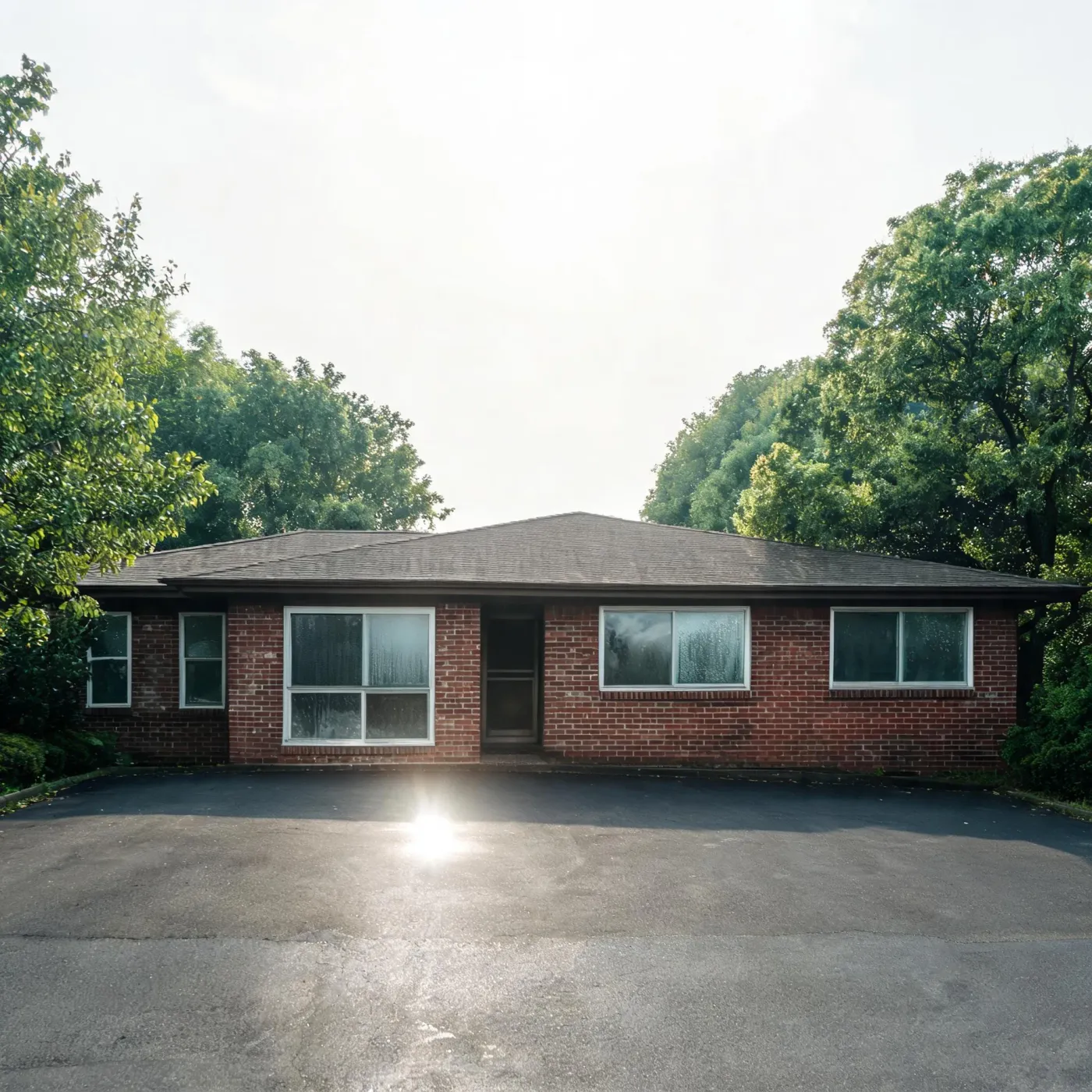
A single-story red brick building with a shingled hip roof, large windows and a recessed central entry, fronted by a wide empty asphalt parking area with sun glare, surrounded by green deciduous trees.

That dew point number above belongs to summer, not winter, but it says something about how your heat pump spends its year. Mississippi summers average a dew point of 70°F, according to NOAA climate data, which means the coil outside is pulling moisture out of thick, heavy air for months before cold weather ever shows up. That's wear on the same coil and compressor you're counting on in January. A unit that's worked hard all summer pulling water out of the air has less margin left when a cold night asks it to lean on backup strips. Keeping the coil clean matters twice over here.

NASA POWER T2MDEW county cells weighted by homes

A heat pump can keep up in a Mississippi winter, as long as it's sized for your house and kept clear enough to breathe. Most nights it does the job on its own. The coldest ones ask more of it, and that's when the backup strips step in and the bill shows it. Where that line sits in your house, whether the system you have is matched to it, whether the coil is clean enough to pull in the air it needs, isn't something a page can tell you. It's something a contractor can look at and tell you straight. If you send the form, you're done with the part where you have to figure out who to call or whether they know what they're doing. That gets handed off. You go back to your night, and someone who does this for a living takes it from there.

Dark metal roofs and a stone chimney of a house seen from above, framed by moss-draped trees, with forested hills and hazy mountains under a cloudy sky in the background.

Matched to your heat pump job

Hand it over

It costs nothing to send, and you don't have to hire anyone.

A heat pump that struggles on the coldest nights usually isn't broken, it's just the wrong fit for your house. Getting matched with someone who can size and install the right system means you stop guessing and start staying warm without running up the bill every January.